Foundation Settlement and How Repairs Restore Stability
Homeowners seeking foundation settlement repair aim to restore stability, and local contractors can assess and fix issues to ensure a safe, level foundation.
Understanding foundation settlement and how repairs restore stability is essential for property owners facing structural concerns. When the ground beneath a building shifts or sinks over time, it can cause uneven floors, cracked walls, and other signs of foundation movement. Exploring this topic helps homeowners grasp the importance of addressing these issues early, as professional repairs by experienced local contractors can help prevent further damage and maintain the safety of the property. Whether dealing with minor cracks or more significant settling, learning about repair options ensures property owners are better prepared to make informed decisions about their homes.
For those in the area noticing signs of foundation movement, consulting with local service providers who specialize in foundation settlement repair can provide practical solutions tailored to specific needs. These experts understand the local soil conditions and common challenges faced by property owners, making them well-equipped to restore stability effectively. Continuing to read can reveal insights into how these repairs work and why partnering with local contractors can be a key step toward safeguarding a property’s long-term value and structural integrity.
- Foundation settlement repair services are needed when signs like uneven floors or cracked walls appear, and local contractors assess the extent of the settlement to determine appropriate stabilization methods.
- Soil stabilization and piering are common approaches used by local service providers to lift and level a settling foundation, restoring structural integrity.
- When foundation cracks or unevenness threaten the stability of a property, local pros evaluate the cause and implement repair strategies to prevent further movement.
- Pier and beam repair services address issues caused by soil shifting beneath the foundation, helping to reestablish a stable and secure base for the structure.
- Foundation underpinning and stabilization techniques are applied by local contractors to restore stability and prevent future settlement-related problems.
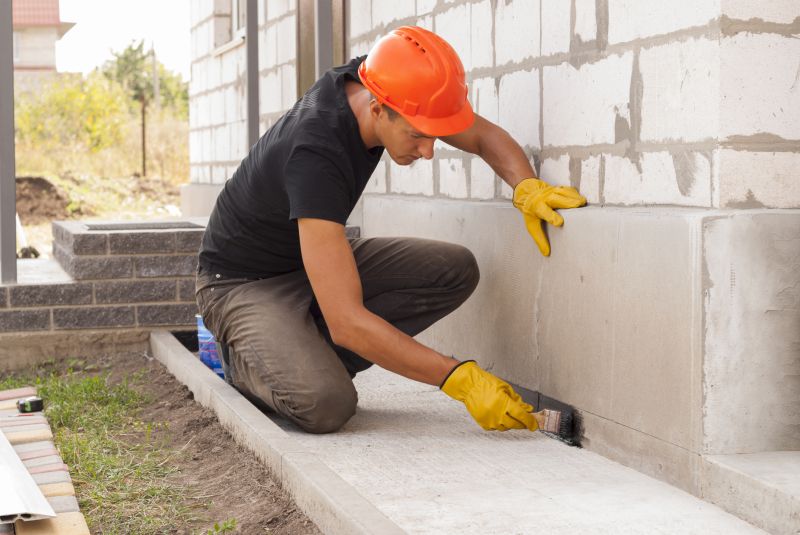
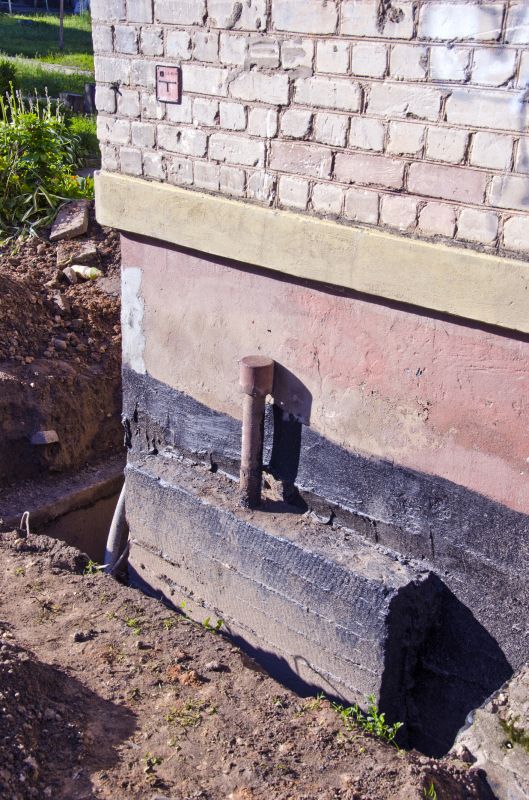
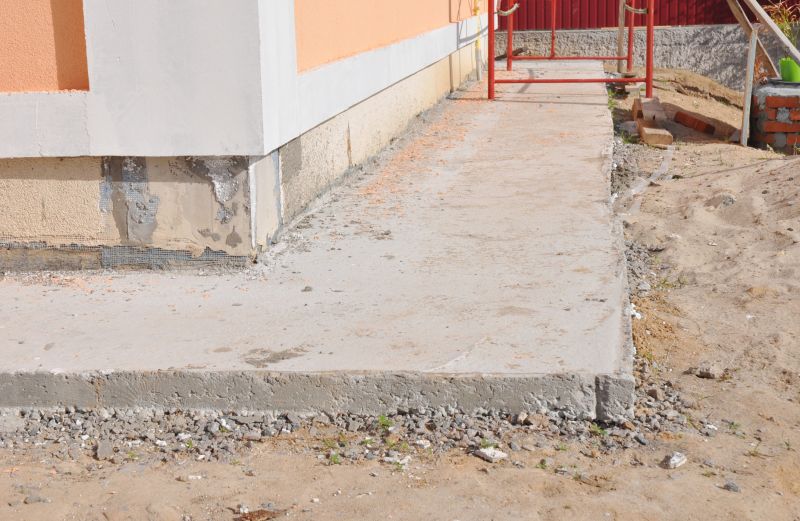
Foundation settlement and how repairs restore stability is a common concern among homeowners experiencing signs of shifting or sinking structures. When people search this topic, they often want to understand why their property’s foundation has moved and what can be done to fix it. Typically, foundation settlement occurs when the soil supporting the foundation shifts or compresses over time, leading to uneven floors, cracked walls, or misaligned door and window openings. Homeowners may notice these issues gradually developing or suddenly worsening, prompting questions about the underlying cause and the best way to restore their home’s stability.
This topic is closely related to a variety of property problems and planning efforts. Foundation settlement can cause structural damage that compromises the safety and integrity of a home or commercial building. It often prompts homeowners to explore repair options to prevent further deterioration or costly future repairs. Repair plans might involve underpinning, piering, or other stabilization methods designed to lift and level the foundation. Understanding how these repairs work helps property owners make informed decisions about addressing existing damage and preventing future issues, especially in areas with expansive soils, poor drainage, or other soil-related challenges.
Properties most commonly affected by foundation settlement include single-family homes, especially those built on expansive clay soils or in regions with significant soil moisture fluctuations. Multi-family buildings, commercial structures, and even some historic properties can experience settlement problems. These issues tend to be more prevalent in areas where the ground conditions are unpredictable or where construction practices did not account for local soil characteristics. Recognizing the signs of foundation movement early can help homeowners seek out appropriate repairs before the damage becomes more severe or costly to fix.
Local foundation repair service providers play an essential role in diagnosing and addressing settlement problems. These professionals evaluate the extent of the movement and recommend suitable repair methods to restore stability. Repair solutions often involve installing piers or underpinning systems that transfer the weight of the structure to more stable soil layers or bedrock. By properly stabilizing the foundation, these repairs help realign the structure, prevent further shifting, and protect the property’s long-term value. Connecting with experienced local contractors ensures that foundation settlement issues are handled effectively, helping homeowners maintain the safety and stability of their homes.
Soil Stabilization Projects - these projects involve techniques to improve soil conditions that can cause foundation settlement, utilizing similar planning and tools to restore stability.
Concrete Lifting and Leveling - professionals use specialized equipment to lift and level uneven concrete slabs, a process related to foundation repair methods that address settlement issues.
Drainage System Installations - installing proper drainage helps prevent soil movement around foundations, supporting stability and reducing settlement risks.
Retaining Wall Construction - building retaining walls to manage soil pressure and prevent shifting is a related service that helps maintain foundation stability.
Pier and Beam Foundation Repairs - these repairs involve underpinning and stabilizing structures, directly connected to foundation settlement issues and their restoration.
Underpinning Services - underpinning strengthens and stabilizes existing foundations, employing similar planning and techniques used in foundation settlement repairs.
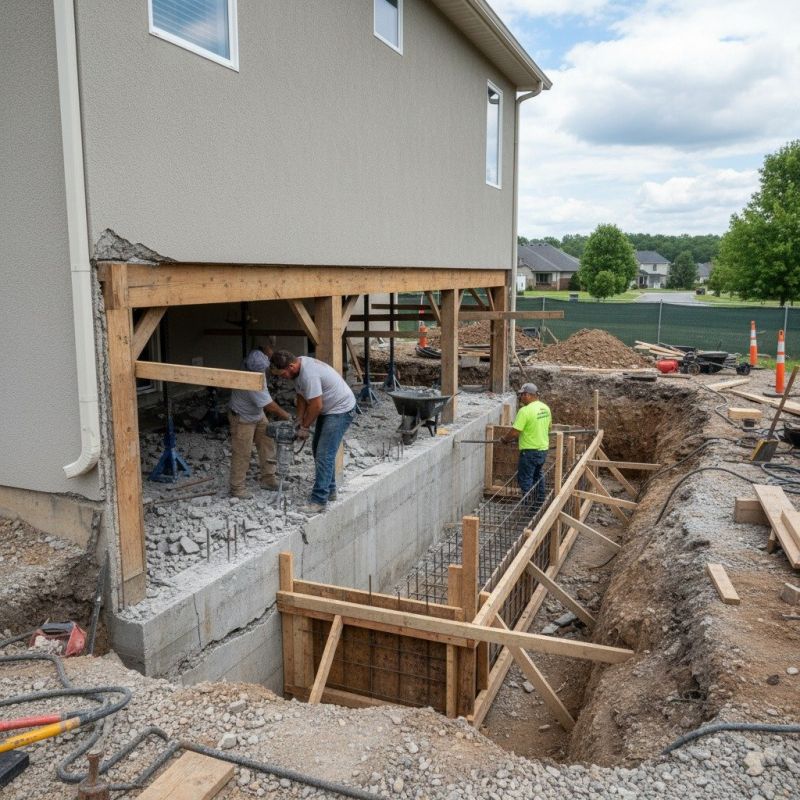
When evaluating contractors for foundation settlement and how repairs restore stability, experience with similar projects is a key factor. Homeowners should seek service providers who have a proven track record of addressing foundation issues in homes comparable to their own. An experienced contractor will be familiar with the common causes of settlement in the area and will understand the most effective repair methods. This familiarity can help ensure that the repair approach is appropriate for the specific conditions of the property, reducing the risk of future issues and providing greater confidence in the work performed.
Clear, written expectations are essential when choosing a foundation repair contractor. A reputable service provider should be able to outline the scope of work, the repair techniques to be used, and the anticipated outcomes in straightforward terms. This transparency helps homeowners understand what will be done and sets realistic expectations for the results. Having detailed documentation also provides a reference point throughout the project, which can help prevent misunderstandings and ensure that both parties are aligned on the repair process.
Reputable references and effective communication are vital components of a successful foundation settlement repair. Homeowners should consider service providers who can offer references from past clients with similar projects, providing insights into the quality of work and professionalism. Good communication means the contractor listens to concerns, answers questions clearly, and keeps the homeowner informed throughout the process. These qualities help foster trust and make the repair experience smoother, ensuring that homeowners feel confident in the expertise and reliability of the service provider handling such a critical aspect of their home’s stability.
Property owners often search for foundation settlement and how repairs restore stability when they are planning practical projects around their homes and businesses. Local pros provide Foundation Settlement Repair services for everyday jobs and straightforward project options.
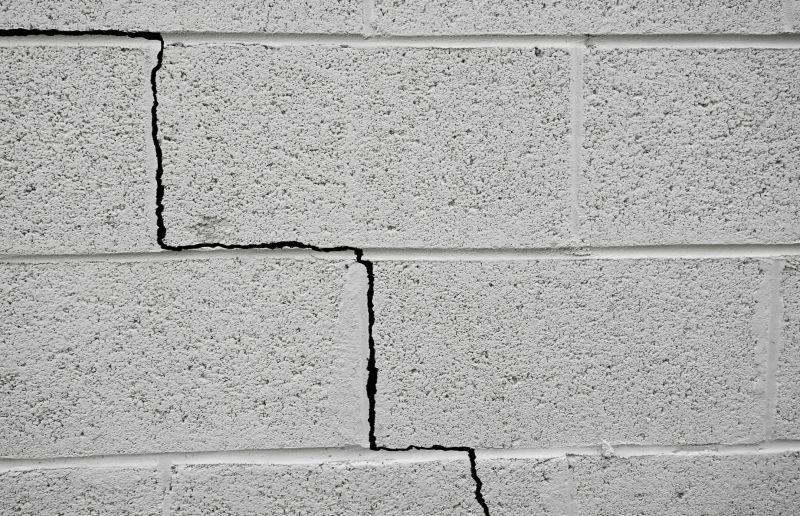
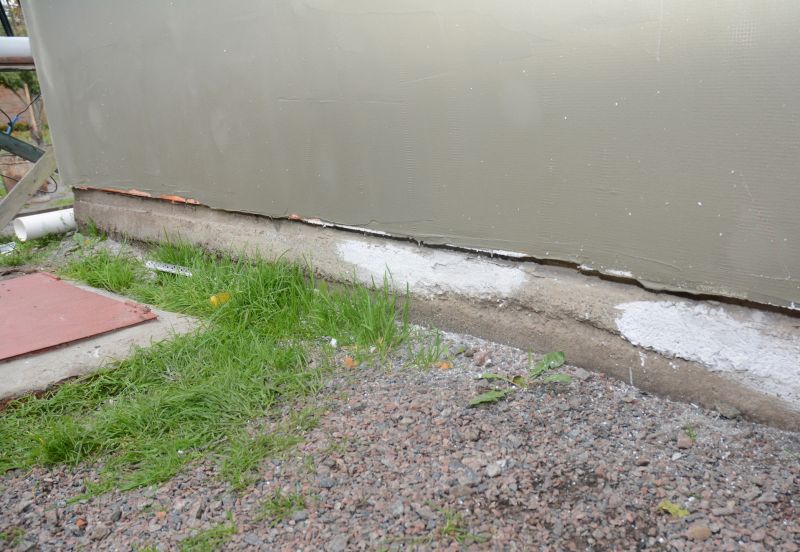
Foundation settlement can often become noticeable through uneven floors, cracks in walls, or doors that no longer close properly. Property owners in the area might seek out foundation repair services when these signs appear, aiming to restore stability and prevent further structural issues. Local contractors specializing in foundation stabilization can assess the situation and recommend effective solutions to address the underlying causes of settlement, helping to maintain the integrity of the property over time.
When foundation issues are left unaddressed, they can lead to costly repairs and decreased property value. Repair methods such as underpinning or piering are commonly used by local service providers to stabilize the foundation and restore its original position. Property owners considering foundation settlement repair often look for experienced local contractors who can handle these projects professionally, ensuring the long-term stability of their homes and buildings.
What causes foundation settlement? Foundation settlement typically occurs due to soil movement, such as shrinking or expanding clay, poor drainage, or changes in moisture levels that lead to uneven soil support under a structure.
How do foundation repairs restore stability? Foundation repairs often involve techniques like underpinning or piering, which stabilize the foundation by lifting or supporting it, preventing further movement and restoring structural integrity.
Can foundation settlement lead to other structural problems? Yes, ongoing settlement can cause cracks in walls, uneven floors, and misaligned door or window frames, which repair services can address to improve stability.
What repair methods are used for foundation settlement? Common repair methods include installing piers or anchors, mudjacking, or slab stabilization, all aimed at leveling the foundation and preventing further movement.
How do local contractors determine the best repair approach? They assess the extent of settlement through inspections and soil analysis to recommend the most effective repair method tailored to the specific conditions of the property.
Assessing foundation issues - property owners can work with local contractors to evaluate signs of settlement and determine if repairs are needed.
Selecting repair methods - homeowners can explore different foundation repair options with local service providers to find the best approach for restoring stability.
Planning for repairs - planning a repair project involves coordinating with local pros to schedule necessary work and ensure proper stabilization measures are implemented.
Maintaining foundation health - ongoing property management, such as managing drainage and soil conditions, can help prevent future settlement problems with guidance from local experts.
If you are thinking about foundation settlement and how repairs restore stability for a property, this guide is meant to help you understand this topic, the typical project types, and how different options might fit your plans.
When you are ready, you can use the quote form on this page to share a few details about your project. From there, local pros can review the basics and follow up with options that match what you have in mind.