
Top-Rated Foundation Repair Supplies For Home Improvement Projects
Get access to high-quality foundation repair products that help you effectively address and fix foundation concerns.
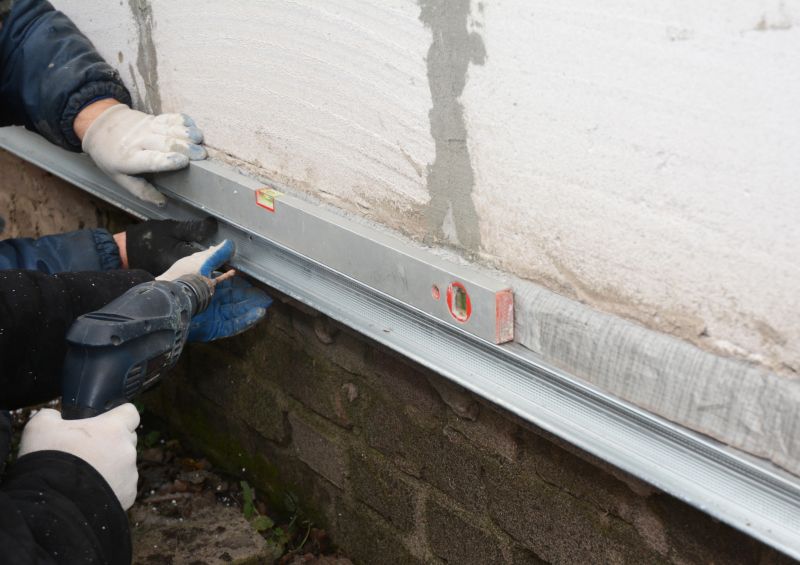 Foundation repairs are a critical aspect of maintaining the structural integrity and safety of a building. When issues such as cracking, settling, or shifting occur, selecting the appropriate repair products is essential for effective stabilization. Various tools and materials are designed to address different types of foundation problems, ranging from minor cracks to significant structural shifts. Proper assessment and choosing the right products can help prevent further damage and extend the lifespan of the structure.
Top Overall Option
Hydraulic Push Piers System
A hydraulic push piers system offers a versatile and minimally invasive approach to underpinning and stabilizing foundations. It involves installing steel piers beneath the foundation and using hydraulic jacks to lift and support the structure gradually. This method is suitable for a range of soil conditions and can be tailored to specific foundation issues, providing a stable and long-lasting solution. Proper installation by trained professionals ensures safety and effectiveness, making it a prominent choice for foundation stabilization projects.
Types of Products For Foundation Repairs
Hydraulic Jacks
Used to lift and level foundations during repair processes, hydraulic jacks provide controlled force for precise adjustments.
Epoxy Injection Kits
Designed to seal cracks and restore concrete strength, epoxy injection kits are essential for addressing small to medium cracks.
Underpinning Piers
Steel or concrete piers installed beneath the foundation to provide support and prevent further settling.
Helical Piers
Rotatable steel piers that are screwed into the ground to stabilize and lift foundations, suitable for various soil types.
Wall Braces
Structural supports installed to reinforce and stabilize leaning or bowing basement walls.
Mudjacking Equipment
A process that involves pumping a grout mixture beneath a sinking slab to lift and level it.
Carbon Fiber Reinforcement
Used to reinforce cracked or bowing basement walls, providing additional strength without extensive demolition.
Soil Stabilization Products
Materials designed to improve soil stability around the foundation to prevent future shifting.
Foundation Repair Anchors
Anchors installed to stabilize bowing basement walls and prevent further movement.
Grout and Mortar Mixes
Used for filling cracks and voids in concrete and masonry structures during repairs.
Drainage Solutions
Systems like French drains and sump pumps to manage water flow and reduce soil erosion around foundations.
Vibration and Compacting Tools
Equipment used to densify soil and improve its load-bearing capacity prior to foundation repair.
Foundation Monitoring Devices
Sensors and gauges that track shifts and movements in the foundation over time for ongoing assessment.
Concrete Patching Materials
Products used to repair surface cracks and surface deterioration in concrete foundations.
Repair Sealants
Flexible sealants for sealing joints and cracks to prevent water intrusion.
Piering and Helical Systems
Support systems that lift and stabilize sinking foundations by installing piers deep into the ground.
Popular Choices
A widely used underpinning method for foundation stabilization, adaptable to various soil conditions.
Commonly selected for sealing cracks and restoring concrete integrity in foundation walls.
Popular for their ability to quickly stabilize and lift foundations with minimal disturbance.
Chosen for reinforcing bowing or cracking basement walls with a non-invasive approach.
Effective for managing water around foundations, helping to prevent moisture-related issues.
Used for leveling sinking slabs and driveways with a quick and less invasive process.
Popular for stabilizing bowing basement walls and preventing further movement.
Applied to improve soil load capacity and reduce future shifting risks.
Commonly used to reinforce structural elements during repair projects.
Frequently installed to control water intrusion and maintain dry basement conditions.
Popular for preparing soil before foundation repair work to improve stability.
Increasingly used for ongoing tracking of foundation movement over time.
Selected for surface repairs to cracks and deterioration.
Commonly used for sealing joints and cracks to prevent water intrusion.
Often used in conjunction with underpinning systems to support sagging floors.
In Southfield, MI, where soil conditions and weather patterns can influence foundation stability, it is especially important to select reliable repair solutions. These products are often used by professionals but are also accessible for DIY enthusiasts with proper guidance. Understanding the different types of foundation repair products available can aid in making informed decisions tailored to specific needs.
Foundation repair products typically include hydraulic jacks, underpinning systems, epoxy injections, helical piers, and wall braces. Each serves a different purpose and is suitable for specific types of foundation issues. For example, epoxy injections are commonly used to seal cracks and restore strength to concrete, while underpinning systems provide support for settling foundations. Choosing the right combination of these products can help address underlying problems effectively.
Regular inspection and maintenance are vital for early detection of foundation issues. When problems are identified, using quality products designed for foundation repair can facilitate safer and more durable solutions. Consulting with professionals and selecting products that match the specific conditions of the property in Southfield, MI, can lead to better outcomes and peace of mind.
Key Buying Considerations
- Assess the specific foundation issue and determine whether structural support, crack sealing, or water management is needed.
- Consider the soil type and conditions around the property, as some repair methods are more suitable for certain soils.
- Evaluate the extent of damage to decide between DIY solutions and professional intervention.
- Check product compatibility with existing foundation materials, such as concrete, brick, or masonry.
- Review the installation process and whether specialized tools or skills are required.
- Prioritize products that provide durable and long-lasting support for your foundation type.
- Consider the ease of application, especially if planning a DIY repair project.
- Research the reputation and reviews of the product or system for reliability and performance.
- Determine if the product allows for future adjustments or monitoring as needed.
- Evaluate the safety features and installation guidelines to prevent accidents or improper use.
- Factor in the local climate and weather conditions that might impact repair longevity.
- Assess the cost-effectiveness of different products relative to the extent of repairs needed.
- Ensure that the products meet any local building codes or regulations in Southfield, MI.
- Look for products with clear instructions and comprehensive support resources.
- Consider warranty options or guarantees offered by the manufacturer or supplier.